About Oliveroot

A women-led herbal agribusiness, rooted in Giaki, Meru

Oliveroot is a profitable, women-led and youth-focused agribusiness built on sustainable farming — turning hibiscus into real livelihoods, one flower, one farmer, one cup at a time.

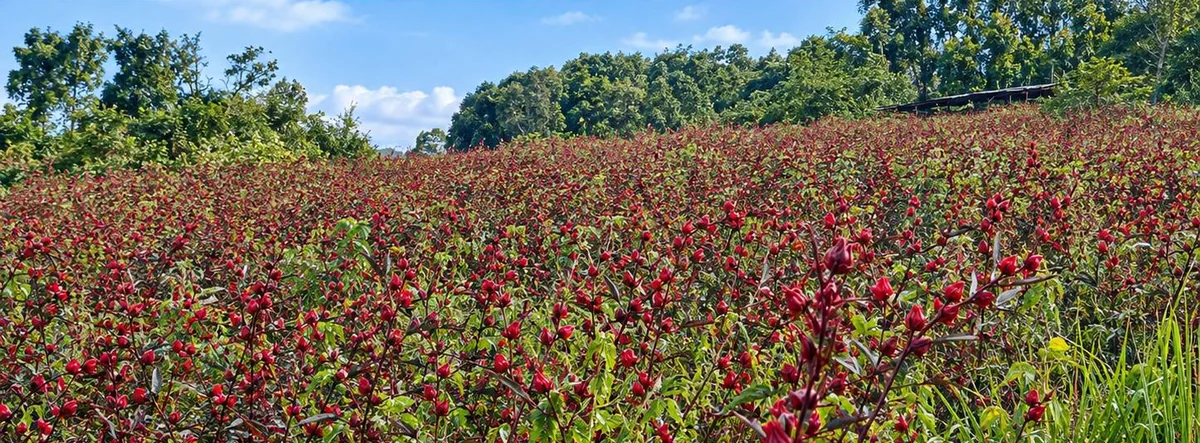
A field of hibiscus in full red calyx on the farm
Our story

A quiet agricultural transformation, taking root

Oliveroot was founded in 2025 by Edna Gakii and Christine Kinyanjui, who are passionate about herbal teas and about empowering women and youth. Their clear vision is to create a women-led community development initiative that helps women and youth build valuable skills and earn sustainable income through the cultivation, harvesting and processing of hibiscus.

The goal is for the surrounding community to flourish alongside the growth of hibiscus tea production.

This begins in the fertile hills of Giaki, Meru County, where what started as a small hibiscus-growing initiative is becoming a community enterprise that creates jobs, empowers women and youth, promotes sustainable farming, and produces hibiscus for a premium Kenyan brand: Sereni Tea.

"Olive" represents growth, wellbeing, and lasting value. "Root" reflects our connection to people, communities, and the land. Together, they express a commitment to building impact from the ground up — one flower, one farmer, one cup at a time.
The women leading change

Who's behind Oliveroot

The team behind the harvest — from the fields of Giaki to the stories, records and partnerships that carry it to market.

Co-Founder & Field Operations

Edna Gakii

Coordinates field operations, worker engagement, harvesting and processing on the ground — organising labour, monitoring progress, and working directly with project partners. Her leadership is a model for women-led rural development that Oliveroot is committed to scaling beyond Giaki.

Co-Founder

Christine Kinyanjui

Co-founded Oliveroot in 2025 alongside Edna, passionate about herbal teas and about empowering women and youth — a women-led community development initiative that turns hibiscus into sustainable, dignified livelihoods for the women and youth of Giaki.

Marketing Coordinator

Yvonne Njeru

Yvonne is the voice of Oliveroot. From the hibiscus fields of Giaki to our partners and customers, she shares the story of the women and young people who grow, harvest and process our crop, and of the Sereni Tea brand it goes into. Yvonne manages our website and social channels, captures photo, video and written stories from the field, and makes sure every farmer we feature is represented with consent, accuracy and dignity.

Finance & Admin Coordinator

Jane Wanjiru

Jane keeps Oliveroot running smoothly behind the scenes. She looks after our bookkeeping, invoices and supplier payments, and makes sure farmers and workers are paid accurately and on time. Jane also maintains the records, registers and compliance documents that give our partners and funders confidence in how we operate, because for us, clear and honest records are part of building trust.

What drives us

Mission & vision

Turning a remarkable plant into premium products and real livelihoods.

Our Mission

To grow opportunities as vibrantly as we grow herbs, turning remarkable plants into premium herbal products and real livelihoods for the women and young people who bring them to life.

Our Vision

To build a responsible, profitable and commercially sustainable Kenyan brand that connects consumers, communities and partners in a shared journey, where every cup sold strengthens rural livelihoods, advances women-led enterprise, and puts Kenyan hibiscus on the world stage.

Why hibiscus

Why hibiscus is the right vehicle

In Meru, agricultural income is concentrated in a few established cash crops that require prime land and capital women and youth often don't have. Hibiscus closes that gap.

Hibiscus takes roughly four to six months to first harvest, with the possibility of two cycles a year. Income arrives within a season rather than after years — viable for a household with no capital buffer to begin with.

It can be grown on marginal plots and field margins — precisely the land a woman is most likely to hold decision-making power over.

Because hibiscus income doesn't fit existing household patterns, it can be structured from the outset as income paid directly to, and controlled by, the woman who grew it.

Picking, separation, sorting and drying are labour-intensive at harvest and post-harvest — creating paid seasonal work close to home, and a realistic entry point for youth employment.

Herbal infusions, natural colourants, functional beverages and food ingredients are sold domestically and for export. Hibiscus is also a wellness-focused, naturally caffeine-free infusion sitting within a market that continues to grow.

From field to cup

Building a premium Kenyan product

The vision extends far beyond selling raw hibiscus. By processing the flower into tea, beverages, jams and other value-added products, communities capture more value locally — turning a smallholder crop into a genuine economic engine.

That means investing in the fundamentals: proper record-keeping, food safety and hygiene, better drying infrastructure, rigorous testing standards, and the certifications required for premium markets — a world-class product capable of competing locally, regionally, and in time internationally, under the Sereni Tea brand.

Local youth and women already work side by side across harvesting, depetaling, cleaning, drying, sorting and processing — building not just a harvest, but a durable agricultural value chain rooted in their own community.

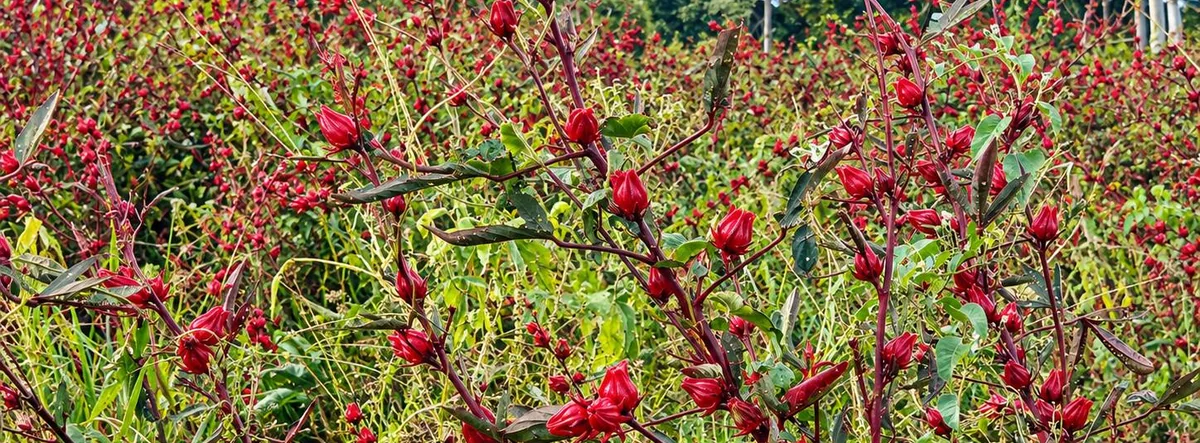
Red hibiscus calyces on the stem, ready for harvest
Our impact

Impact on three pillars

Lasting change we're building for, one season at a time.

Profitable with Economic Impact

Creates employment for local workers, generates income for farming households, and promotes value addition within the community.

Women's Empowerment

Encourages women to take on business roles in agribusiness, and supports participation in decision-making and enterprise development.

Rural Enterprise Development

Strengthens local agricultural value chains, promotes quality-focused, standards-driven production, and opens pathways toward certification and export readiness.

Beyond hibiscus

Dairy — a project in development

Alongside hibiscus, Oliveroot is developing a dairy project on the same farm in Giaki — another way to diversify income for the farm and the community around it, following the same model: prove it on our own land first, then grow it with others.

Looking ahead — the ask

Building a business, not just a project

With continued investment in better drying facilities, quality-assurance systems and market development, Oliveroot has the potential to become a powerful — and commercially sustainable — model for rural transformation across Kenya. We welcome partnership from investors, organisations and individuals who share this commitment to inclusive growth, sustainable livelihoods, and community-led development.